Embed Sigma dashboards in minutes
Skip the engineering project. Get a fully white-labeled customer portal with your domain, your branding, and secure user management — no code required.
How MyReportPortal Works
Connect your Sigma account
Link your workspace and choose which dashboards to share.
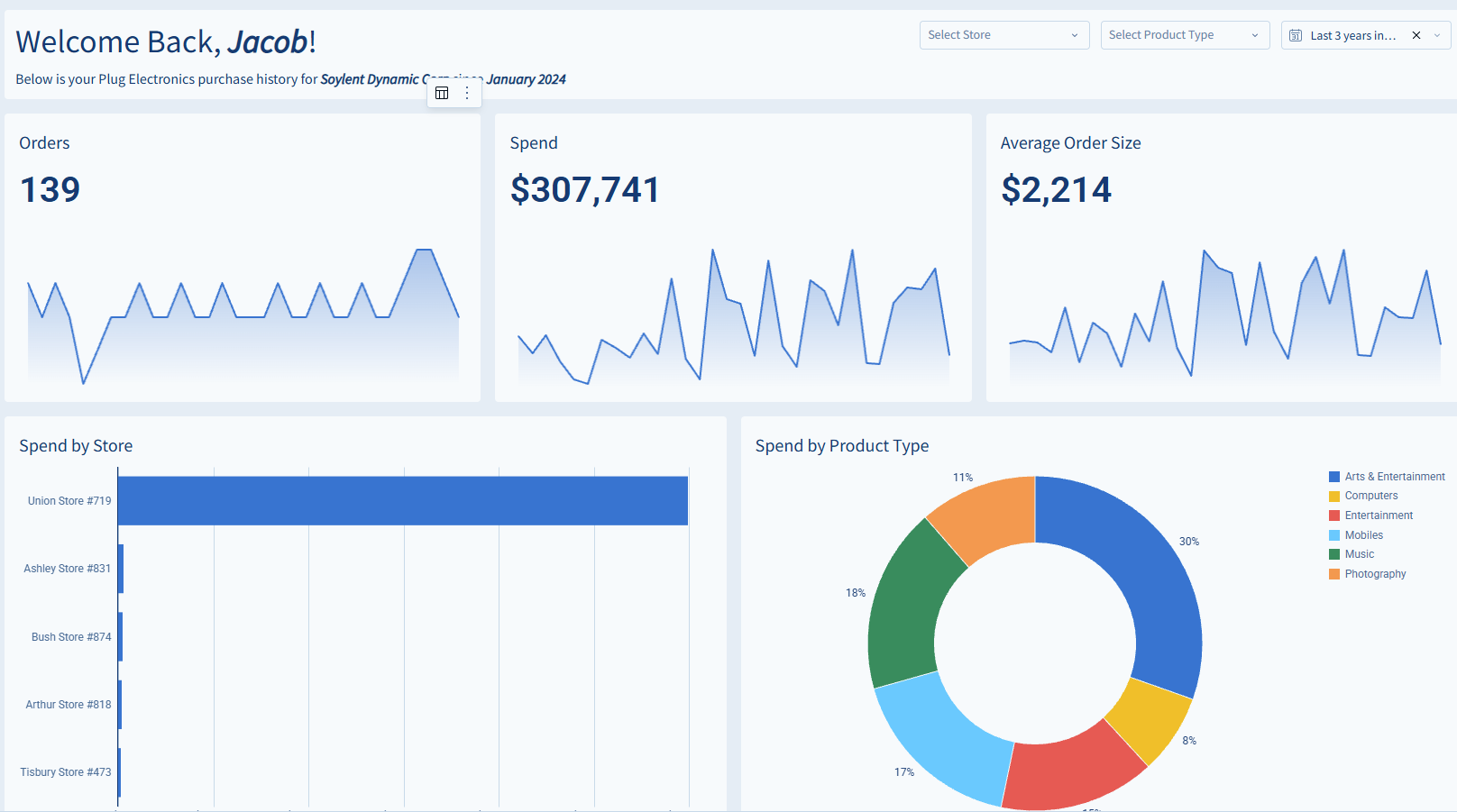
Customize your portal
Add your domain, logo, colors, and configure user access.
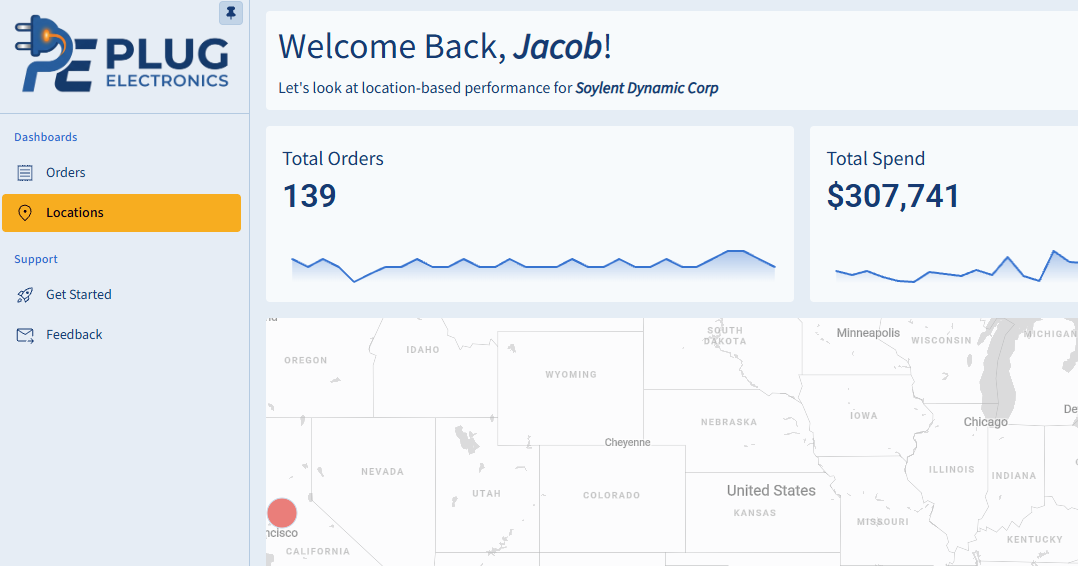
Invite your customers
They see your brand, your domain — dashboards just work.
.png)
Your Easy Button for Sigma Embedding
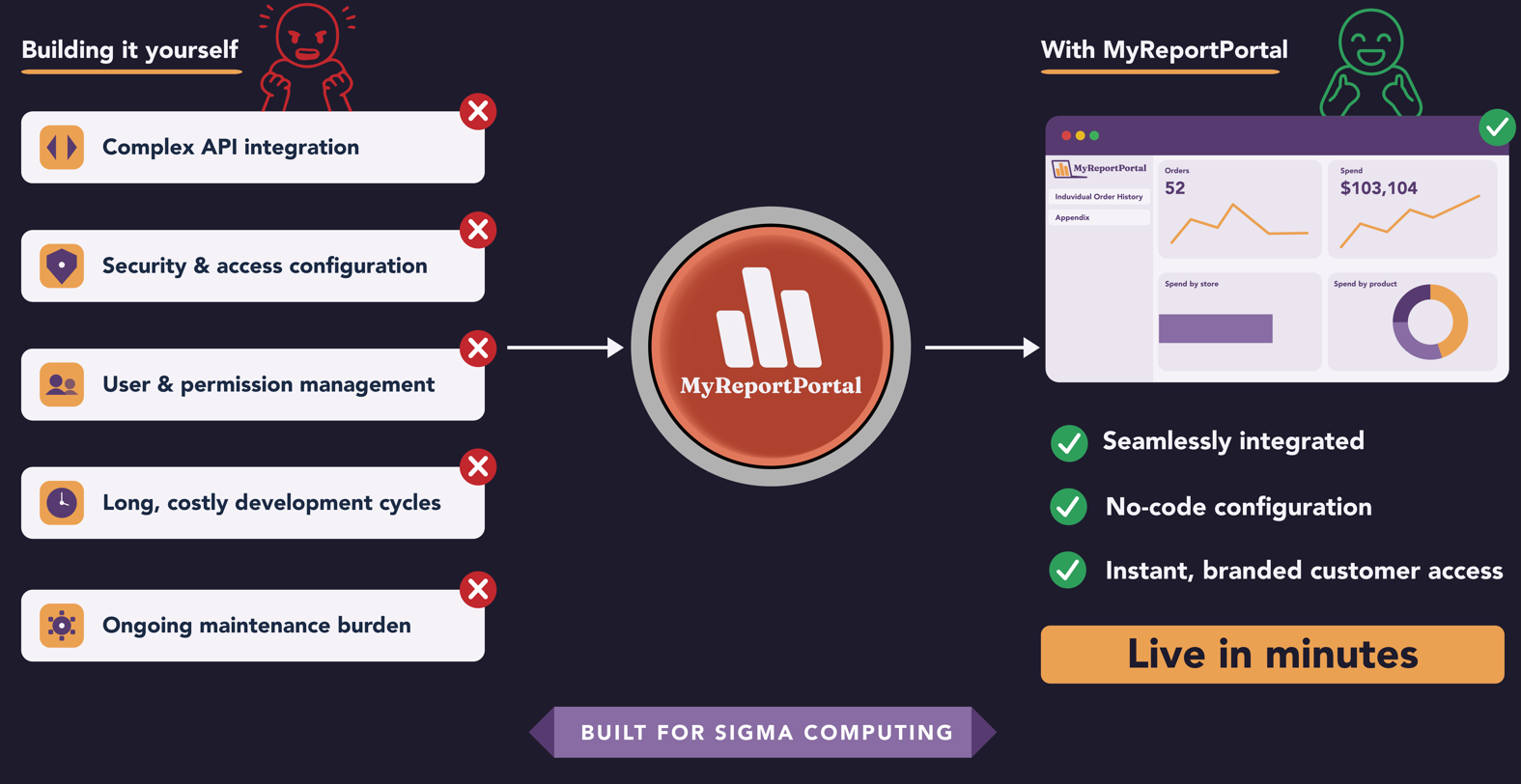
Fully white-labeled. Fully yours.
Every customer touchpoint carries your brand, not ours.
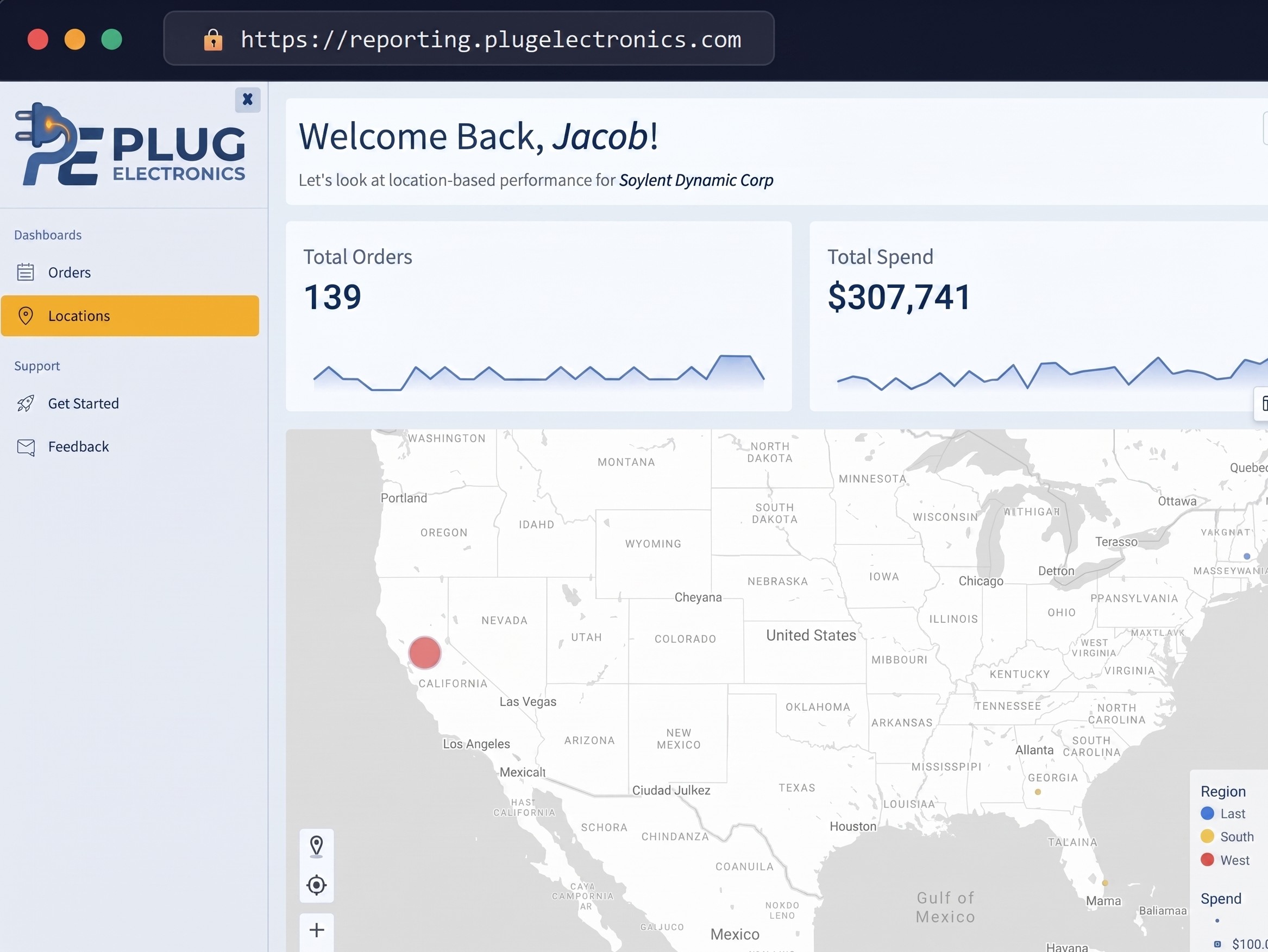
Custom domain
Serve dashboards from reports.yourcompany.com — your domain, your SSL.
Branded emails
Invites and notifications come from your email address with your reply-to.
Your look & feel
Logo, colors, typography — the portal looks like you built it from scratch.
Secure by default
SSO-ready authentication, role-based access, and secure embed tokens handled for you.
Simple, transparent pricing
One plan with everything included. No tiers, no surprises.
Need help launching?
White-glove Starter Pack workshops for Sigma embedding.
The Quickstart
up to 5 hours • 3–5 business days
Learn More• Workshop: set up custom domain name and DNS settings
• Consulting/Q&A around our educational content
The Full Launch
up to 20 hours • 10–15 business days
Learn More• Training for user management best practices
• Training for navigation, organization, style, and design
• Help troubleshooting and validating the implementation
• Customized row-level security database design plans
• Customized navigation, style, and design recommendations
FAQ
I have Sigma dashboards, but no app/portal—what are my options?
If you want to share customer-facing analytics from Sigma but don’t have an existing SaaS app, portal, or website to embed into, there are a few straightforward paths. Because Sigma embeds as secure, responsive iframes, you often don’t need to build a custom application from scratch.
Here’s a practical breakdown, roughly ordered by security + multi-tenant needs:
Option A — White‑labeled no‑code portal (recommended for multi‑customer, sensitive data)
- If you need a branded experience and strict separation between customers (Client A can’t see Client B), a dedicated portal is typically the cleanest approach.
- MyReportPortal is purpose-built for this use case: a turnkey, white‑label portal layer for Sigma embeds, roles, and RLS patterns—so teams without an engineering bench can launch securely in weeks (or faster), not quarters.
Option B — General-purpose low‑code/no‑code portals (works, but you’ll stitch things together)
- Tools like Softr/Glide (often backed by Airtable/Sheets) can host an embedded Sigma iframe inside a portal-like UI.
- SharePoint / Google Sites can work for quick, low-overhead internal/external portals if customers already live in that ecosystem.
- Notion can work for a minimalist “consulting” vibe (private pages per customer + embedded dashboards), but it’s rarely the best fit for enterprise-grade multi-tenant + RLS.
Option C — Public embed (only for non-sensitive data)
- If the content is truly public or non-sensitive (e.g., marketing/benchmarking), Sigma’s Public Embed URL can be shared directly—no portal required.
Option D — Invite customers directly into Sigma (standard BI sharing)
- For a small number of high-value customers, you can provision direct access (viewer accounts) and segment via folders/workspaces.
Note on RLS / Secure embeds
If you need true customer-level isolation, you’ll generally rely on Secure (signed) embeds (e.g., JWT-signed URLs) plus a clean role model. Doing this “no-code” with generic tools often still requires some server-side signing logic (serverless helper, Zapier/Make, etc.). MyReportPortal is designed to remove that glue work and ship with safer defaults and guardrails.
What’s the opportunity cost of building?
Time spent building a portal is time not spent on:
- Your differentiating product features
- Customer onboarding and activation improvements
- Sales enablement and faster time-to-value
- Reliability, performance, and security hardening in your core product
Even if a first version ships quickly, iteration, edge cases, and long-term maintenance typically add substantial hidden cost.
MyReportPortal costs you only $10k annually, a fraction of what you would spend otherwise.
How does MyReportPortal impact risk?
MRP reduces risk by providing a known-good baseline for:
- Permissions and RLS design patterns
- Consistent role boundaries for viewers/admins
- Repeatable setup flows and support processes
What should I compare when evaluating buy vs. build?
- Time to first customer live
- Total engineering effort (build + iteration + maintenance)
- Security review scope and audit needs
- Support burden (permissions issues, embed behavior, onboarding)
- Ongoing roadmap velocity and focus